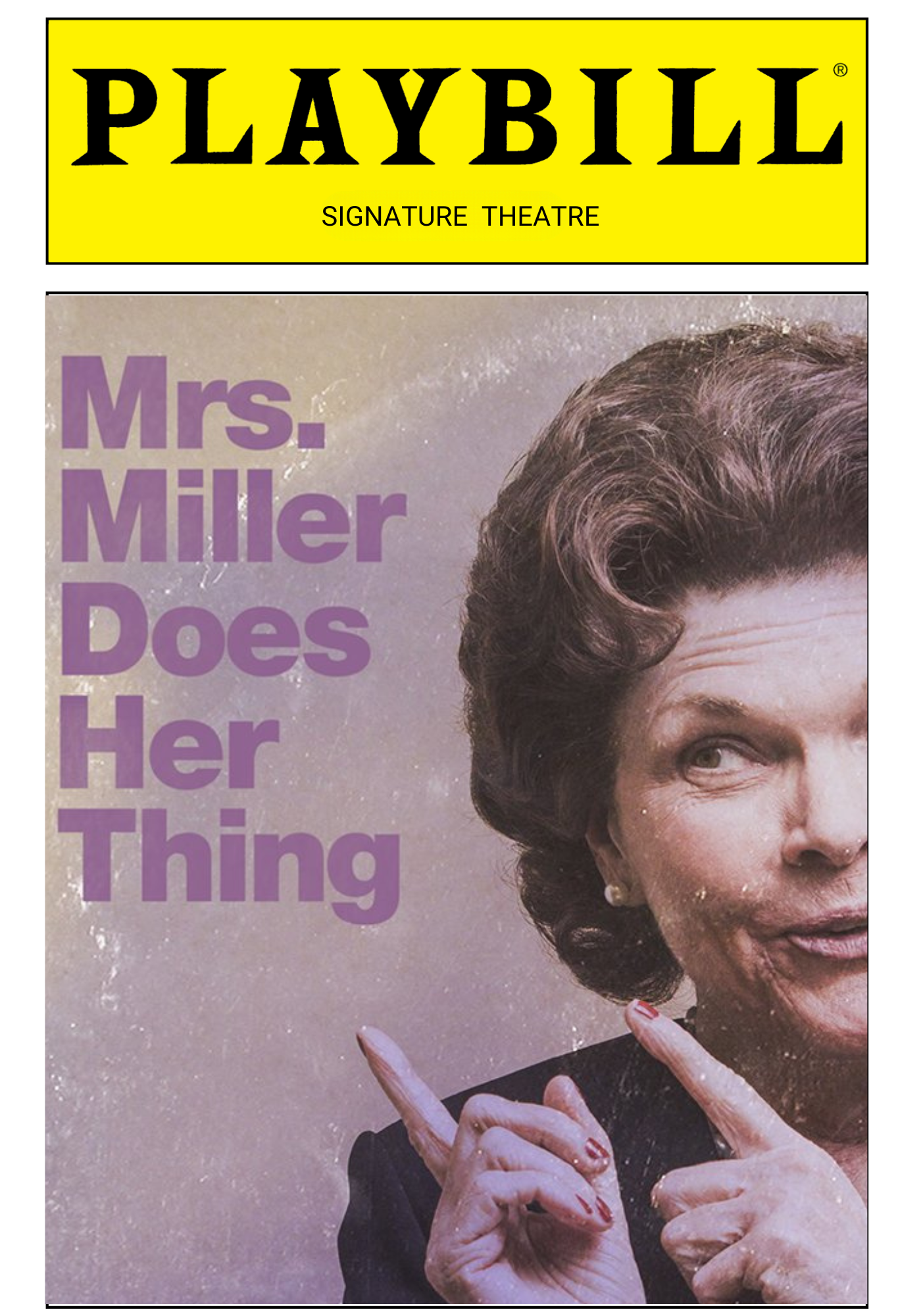
Mrs. Miller Does Her Thing
Written & Directed by James Lapine
Mrs. Miller can’t sing—but don’t tell her that. Based on the real life story of Elva Miller, this touching and funny portrait offers Debra Monk the role of a lifetime as the devoted, warbling songstress whose operatic, off-key singing became an unlikely pop phenomenon in the 1960s. Take a delectable romp through hits like “Downtown,” “Monday Monday,” “Girl from Ipanema” and more. Simply irresistible, when Mrs. Miller does her thing, it’s so bad—it’s good.
Mrs. Miller Does Her Thing
Written & Directed by James Lapine
Signature Theatre in Arlington, VA
February 28, 2017 – March 26, 2017
The show was developed in Edgartown, MA on Martha’s Vineyard with a workshop production at The Vineyard Playhouse
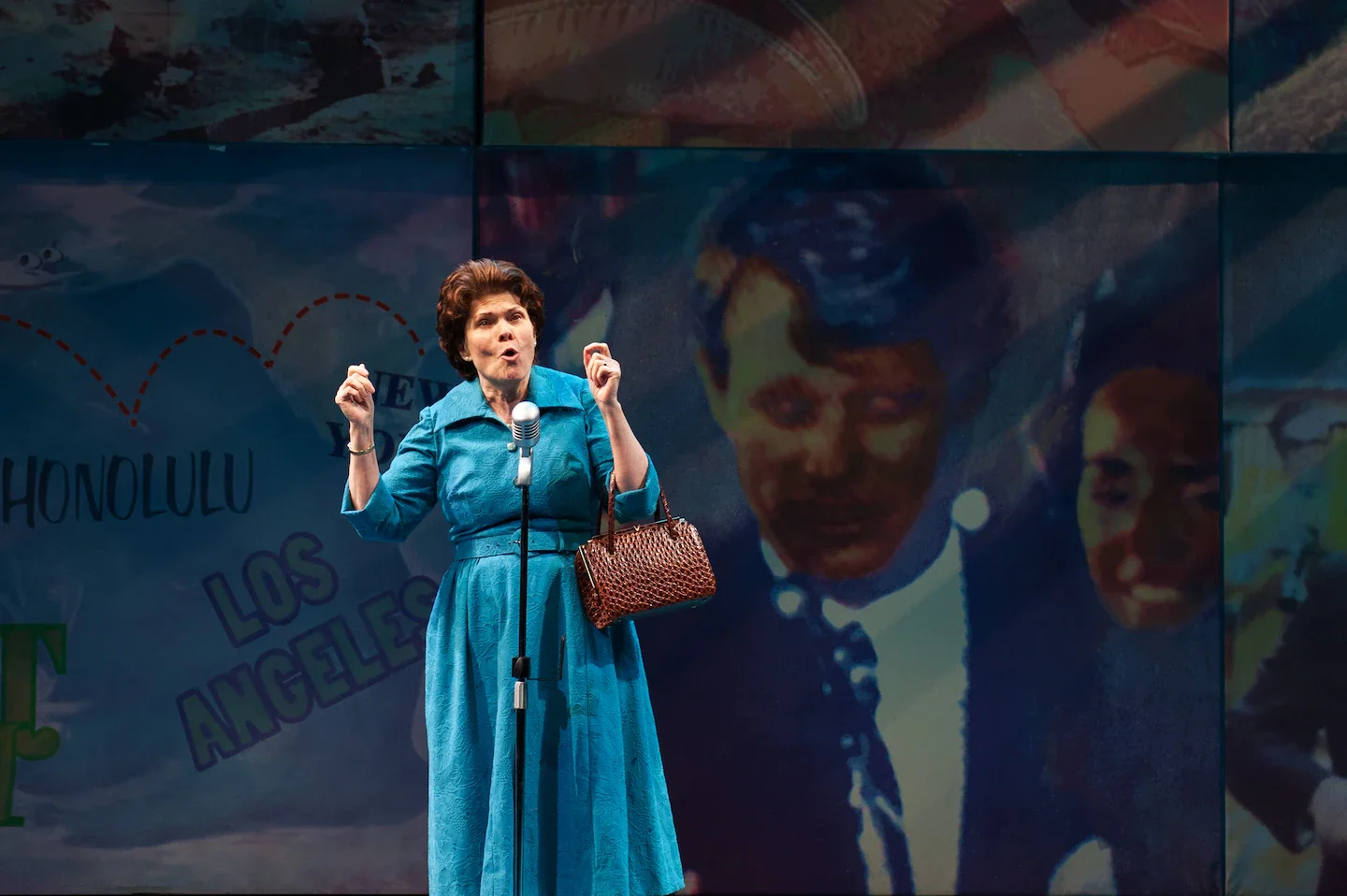
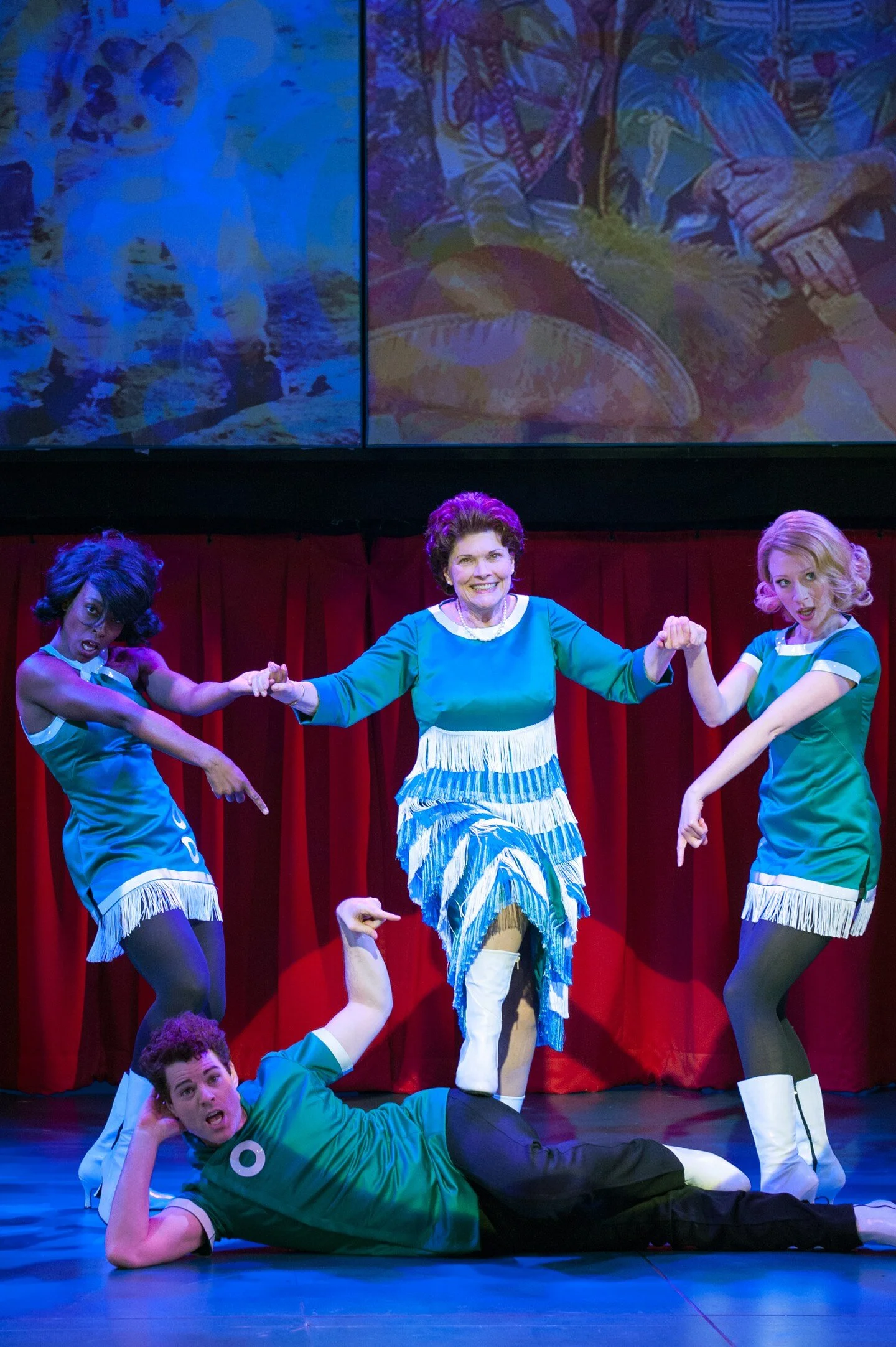
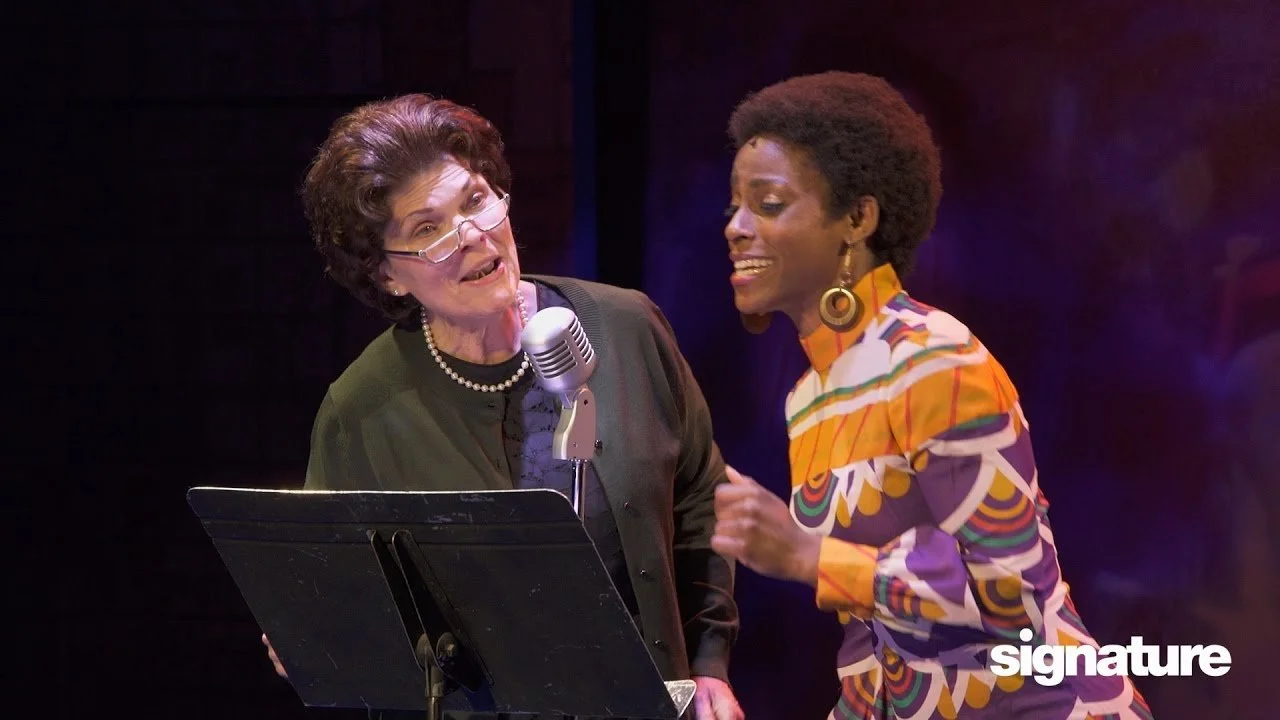
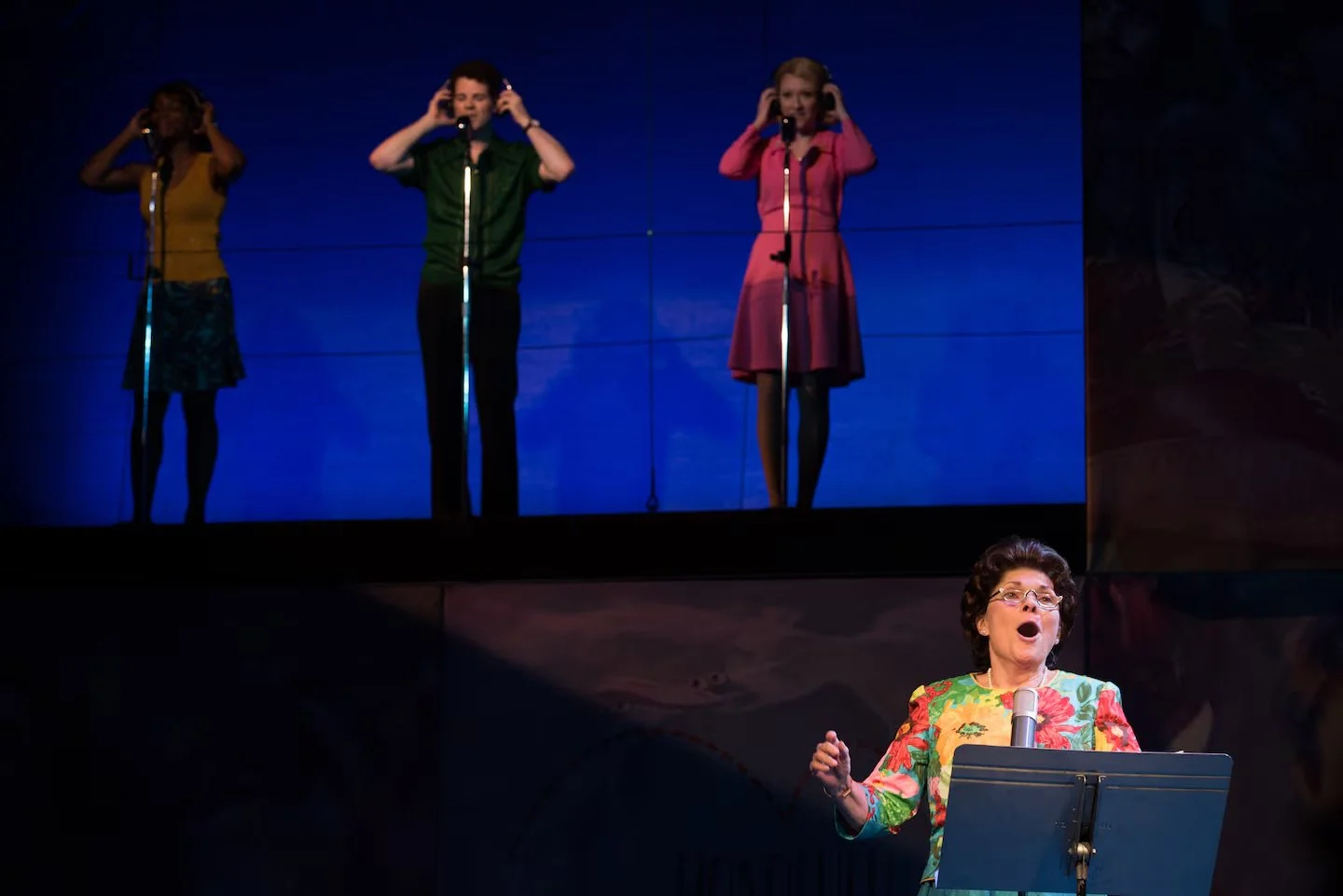

Photos by Margot Schulman
-
Written and Directed by James Lapine
Choreography by Josh Prince
Musical Supervision and Orchestration by Michael Starobin
Musical Direction by Matt Hinkley
Scenic Design by Heidi Ettinger
Lighting Design by Jeff Croiter
Costume Design by Jennifer Caprio
Wig, Hair and Makeup Design by J. Jared Janas
Production Stage Manager Kerry Epstein
Assistant Stage Manager Allie Roy
Production Assistant Paul Luckenbaugh
New York Casting by Tara Rubin Casting, CSA
-
Debra Monk: Elva Miller
Boyd Gaines: John Miller
Rebekah Brockman: Joelle Taylor
Kaitlyn Davidson: Carol Sue Singleton
Will LeBow: Larry Drummond/Dr. Shapiro
Corey Mach: Simon Boch
Kimberly Marable: Denise Banfield
Jacob Ben Widmar: Bobby Sherin

Reviews & Features
“With gentleness and clear affection for an unexpected heroine, Tony Award and Pulitzer Prize winner James Lapine has written and directed with a disarming touch an endearing new play ‘with music’; Mrs. Miller Does Her Thing. In its premiere at Signature Theatre, the production is a sweet cupcake full of loving-kindness and wisdom… As conjured by Lapine, the character Mrs. Elva Miller is a folksy, sincere, salt-of-the earth-type with quirks. (And who of us doesn’t have a quirk or two or three)… Lapine also gave Monk the chance to sing straight, as if Mrs. Miller was hearing herself sing like an angel in her own head… the hush in the audience was total… She was simply magnetic.”
“James Lapine’s pleasantly offbeat new bio-play with music… in its world premiere on Signature’s main stage, posits Mrs. Miller — a real-life show business novelty whose egregious LPs climbed the charts in the mid-to-late 1960s — as a touchstone of a national cultural shift… an emblem of the confusion at the intersection of these opposing forces… The achievement in Lapine’s efficiently staged production revolves chiefly around the performance of the primly coifed and outfitted Monk, who nails the impersonation in a way that’s both funny and sad…”